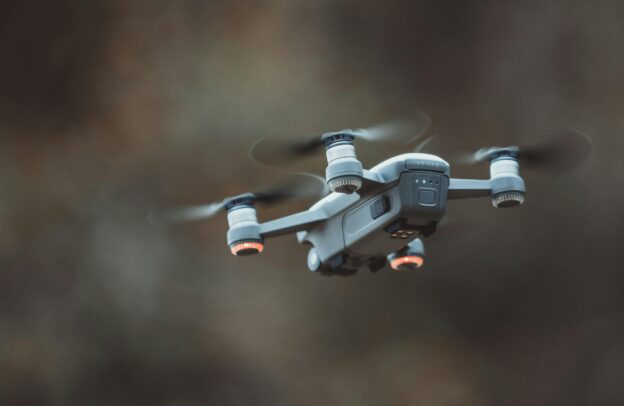
Lessons from the battlefields of Ukraine, combined with rapid technological innovation, have pushed drones firmly into the centre of UK defence policy. Yet, the implications of this shift extend far beyond military capability and the defence sector. By scaling domestic manufacturing and considering drone technology within wider growth strategies, there is potential to unlock growth across many sectors in the UK economy.
The pace of technological development seen in Ukraine has demonstrated how quickly drone capability can evolve when innovation is tested under real-world conditions. Low-cost drones, AI-driven autonomous systems, and advanced first-person view drones have challenged traditional defence strategies. For the UK, this has underscored the importance of building domestic drone capability to enhance national security.
To build these capabilities, the Ministry of Defence’s 2024 Defence Drone Strategy and 2025 Defence Industrial Strategy set out a vision that includes drones as a central component of military capability. This has been reinforced by the 2025 Strategic Defence Review, in which the government recognised that drones will be central to future conflicts and outlines its ambition to support innovation and growth in the drones sector.
For defence contractors, the implications are immediate. The government’s desire to deliver progress at pace on these strategies means that businesses that can demonstrate resilient and tested technologies are positioned to win contracts. However, the effects of this industrial strategy will be felt far beyond defence, with these moves creating large spillover effects to the civilian drone market. Defence procurement can help firms scale production, de-risk investment, and move more quickly into civilian markets. In addition, many of the technologies that are useful as defence capabilities will assist in commercial settings. For instance, advanced first-person view drones will allow drones to be used more easily for law enforcement and infrastructure inspection. Counter-drone technologies also have clear commercial value, Systems developed to detect and neutralise hostile drones can be deployed to protect airports, prisons, critical national infrastructure, and other sensitive sites.
Together, these applications illustrate how defence-led innovation can unlock the sector’s wider economic potential – estimated by government-commissioned analysis to reach up to £103 billion by 2050, as we highlighted in our recent article. This demonstrates the scale of the commercial opportunities now emerging for businesses and investors, as technologies initially developed for defence are increasingly able to scale into regulated civilian markets, supported by a growing ambition within government to be a world-leader in drone technology.
However, despite this opportunity, risks remain. Defence procurement is politically sensitive and shifts in budget priorities over the course of a parliament could constrain investment. This means that businesses must continue to engage with government to reduce regulatory barriers to create a favourable regulatory environment. Businesses who engage with the government’s existing work on regulatory innovation and help government understand where other challenges exist will reap the benefits of the UK’s focus on the drones sector.
If you’d like to discuss the drones sector and related policy in more detail, please reach out to Jacob on Jacob.walsh@gkstrategy.com